 English
 中文简体
中文简体 日本語
日本語 한국어
한국어 Español
 Language
Modern office work is predominantly sedentary, and prolonged sitting can easily lead to back pain, neck fatigue, and even chronic back and neck problems. To alleviate these health concerns, more and more people are turning to intelligent adjustable standing desks.
However, many people wonder: can intelligent adjustable standing desks really improve back and neck health?
1. The Impact of Prolonged Sitting on the Waist and Neck
Sitting at a desk for extended periods puts prolonged pressure on the lumbar and cervical spine, primarily manifesting as:
Increased Lumbar Spine Pressure
Prolonged sitting causes uneven pressure on the lumbar intervertebral discs, easily leading to lumbar lordosis or lower back pain.
Increased Cervical Spine Burden
Looking down at a screen or maintaining the same posture for extended periods causes tension in the neck muscles, leading to cervical strain and stiffness in the shoulders and neck.
Decreased Muscle Strength
Prolonged sitting reduces activity in the lower limbs and core muscle groups, weakening the abdominal and back muscles, which are unable to effectively support the spine, further exacerbating waist and neck problems.
Therefore, changing posture and increasing physical activity are important ways to alleviate waist and neck fatigue.
2. How Standing Desks Work
Smart adjustable standing desks allow for free switching between sitting and standing postures. Their core advantages are:
Distributing Spinal Pressure
When standing, the pressure on the lumbar spine is relatively lower than when sitting, and the lower back muscles are subjected to more even force, helping to alleviate lower back pain.
Improving Cervical Spine Posture
When standing, it is easier to adjust the monitor height to maintain eye-level viewing, reducing head-down and forward-leaning postures, thereby reducing the burden on the cervical spine.
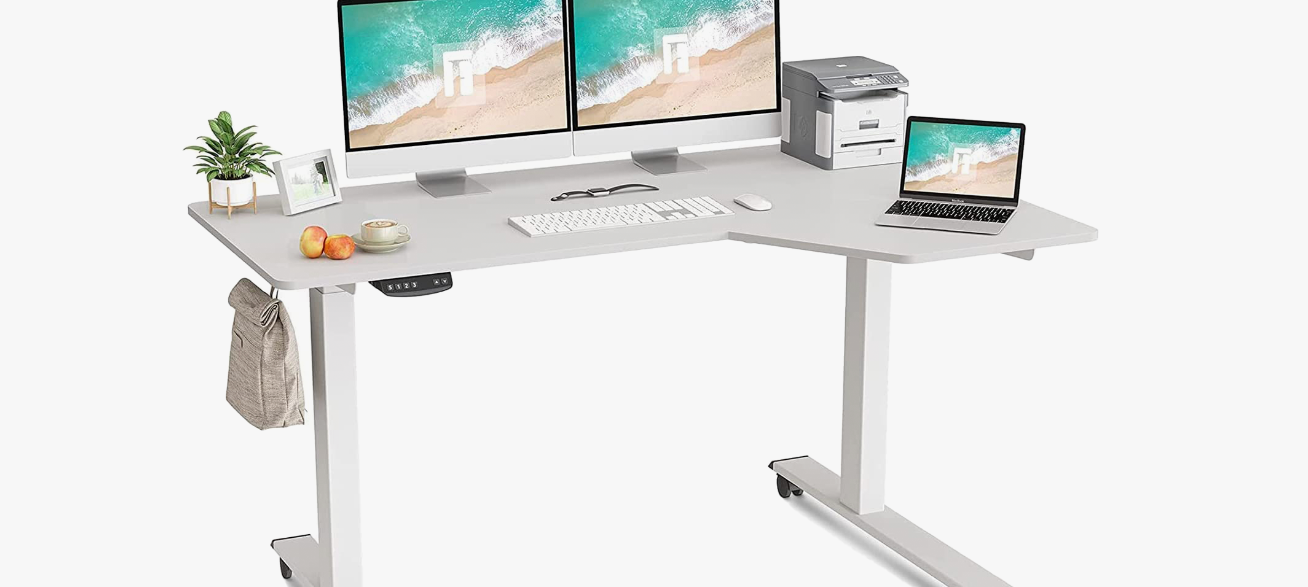
Promoting Blood Circulation and Muscle Activity
Standing at a desk allows the leg muscles and core muscle groups to participate in support, increasing micro-movements and preventing muscle stiffness and poor blood circulation caused by prolonged sitting.
By scientifically adjusting the desk height and usage time, standing desks can effectively improve the burden on the waist and neck during work.
3. Scientific Research and Usage Effects
Multiple studies have shown that the reasonable use of standing desks is indeed beneficial to waist and neck health:
Relieving Lower Back Pain
A study by a university in the United States on office workers showed that standing at a desk for 2–4 hours a day for 4 consecutive weeks significantly reduced lower back pain. After a week, the lower back pain was significantly reduced.
Improved Neck Posture
Standing while working helps maintain the head and cervical spine in a naturally aligned position, reducing neck muscle tension and stiffness.
Improved Overall Health
Prolonged sitting is associated with metabolic problems, while standing while working increases daily activity levels, helping to reduce the risk of obesity and cardiovascular disease.
4. How to Use a Standing Desk Correctly
To achieve the best back and neck protection, the following points should be noted:
Alternate Sitting and Standing
Avoid standing for extended periods. A 50:50 or 60:40 sitting-to-standing ratio is recommended, switching positions at least once an hour.
Adjust Desk and Monitor Height
Ensure your elbows are bent at approximately 90 degrees, and the top of the monitor is at eye level, maintaining a naturally extended spine.
Use Appropriate Shoes or Foot Mats
Wearing comfortable shoes or using pressure-relieving foot mats can reduce lower limb fatigue while standing.
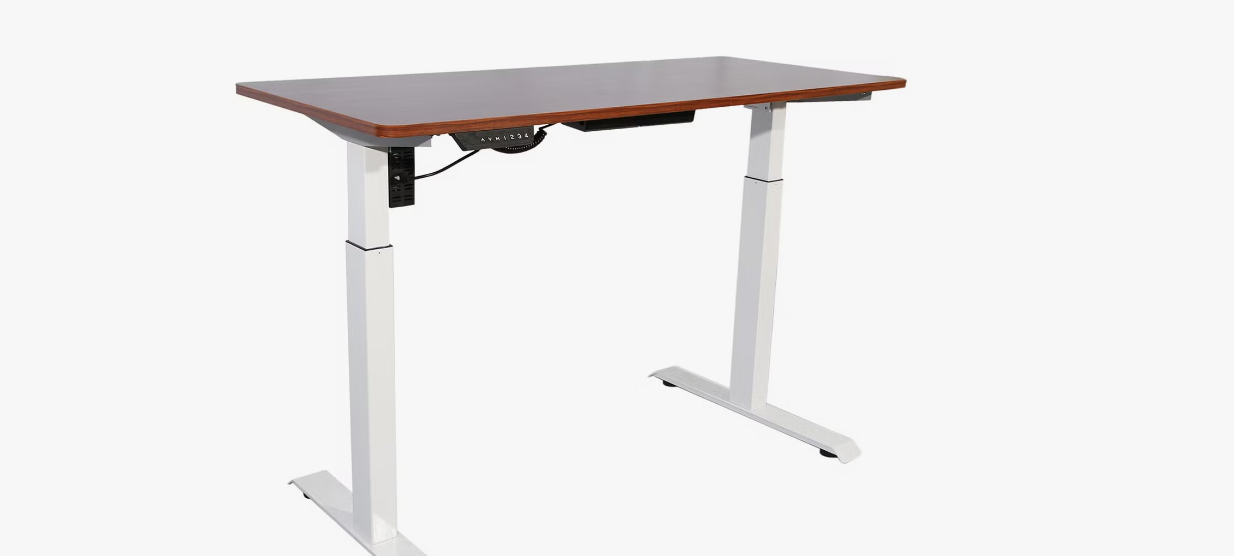
Moderate Activity
While standing, you can gently pace or perform stretching exercises to further relieve pressure on the lower back and neck.
Smart adjustable standing desks are indeed helpful for back and neck health. By scientifically switching between sitting and standing, adjusting desk height, and maintaining appropriate activity, it can alleviate lower back pain and cervical spine fatigue caused by prolonged sitting. However, standing while working is not a panacea; combining it with exercise, core muscle training, and correct sitting posture is necessary to fundamentally improve spinal health.